I help what works
continue to work at scale.
continue to work at scale.
BrieAnna Patrick


Execution rarely fails first. Alignment does.
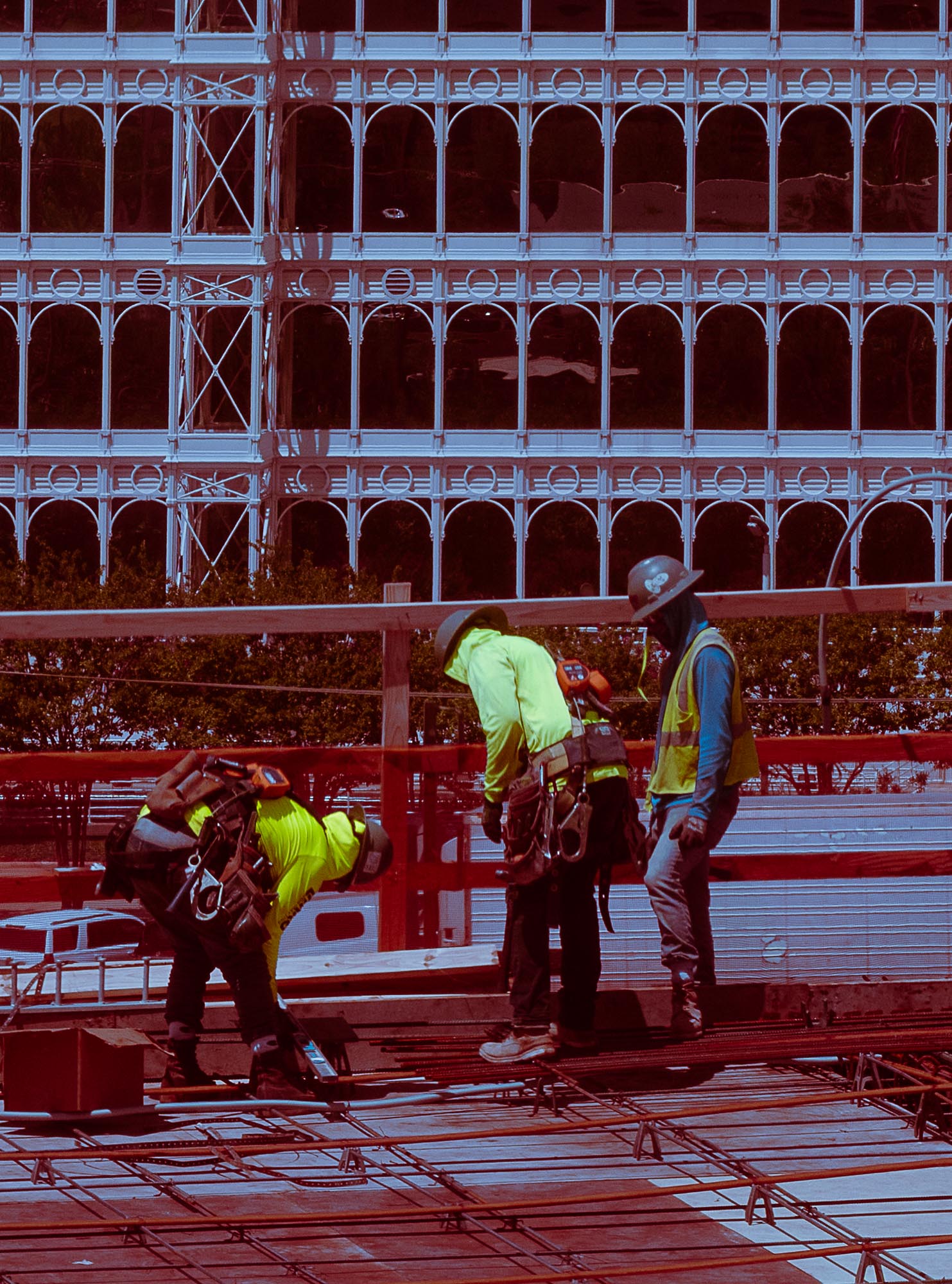
When execution breaks down, it’s visible.
Deadlines slip. Decisions stall. Work slows.
Alignment failures are harder to see.
The system still moves—but with friction, inconsistency, and growing drag.
Most teams respond by pushing harder.
They add process.
They add meetings.
They add oversight.
That treats symptoms, not causes.
Execution rarely fails on its own.
It fails when people are forced to compensate for unclear structure.
Misalignment shows up quietly.
What looks like a performance problem is usually structural.
Alignment isn’t cultural.
It’s whether responsibility, priorities, and tradeoffs are explicit.
When product, technology, and operations evolve independently, work turns into negotiation. Context is rebuilt repeatedly.
Responsibility shifts instead of settling. Execution slows because every step requires interpretation.
Designing for alignment means deciding early:
When those are clear, coordination drops.
Execution follows alignment.
Not the other way around.
